

In a wave of grief and anger, Seattle’s Filipino American community took to the streets this week to protest the killing of activist Lyle Prijoles, one of two U.S. citizens caught in a deadly firefight last month between Philippine troops and communist rebels.
Prijoles, a 40-year-old Bay Area resident known for his quiet dedication to social justice, was killed on April 19 in a beachside village in Toboso, Negros Occidental. He was among 19 people who died that day in what has become a bitterly disputed clash. The Philippine Army described the operation as a major strike against the New People’s Army (NPA), labeling all the dead as armed combatants. The NPA countered that at least nine of the victims—including Prijoles, fellow American Kai Dana Sorem, 26, of Seattle, two children, a journalist, and student leaders—were unarmed civilians and activists.
Friends and family paint a very different picture of the man at the center of the storm.
“Quietly devoted” is how those closest to him remember Prijoles—an intellectual who never hesitated to roll up his sleeves for the unglamorous, everyday work of activism. He traveled the world not to observe the downtrodden from a distance, but to live among them, learning directly from their struggles. In recent years, he split his time between his Bay Area home and rural Philippine communities, focusing on the harsh realities faced by sugar plantation workers.
Negros Occidental, which produces more than half of the Philippines’ sugar, remains one of its poorest regions. For generations, vast hacienda-style estates have trapped farmworkers in cycles of debt and poverty. Organizers like Prijoles have long pushed for land reform and fair wages—efforts rights groups say are too often met with violence.
At a press conference Monday, Prijoles’ wife, Marienne Cuison, spoke through tears while still in the Philippines trying to recover his body.
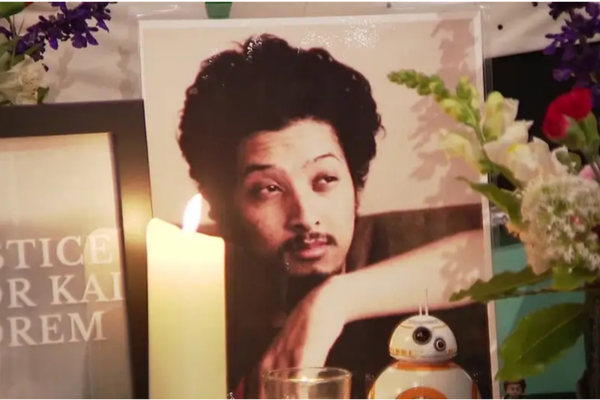
“He was kindhearted, a fan of history and Star Wars, a caring uncle, a loving son, and a thoughtful brother,” she said. “Most of all, though, he cared for the everyday people from his homeland. He died doing what he did best: being with the masses and learning from them.”
The U.S. government has confirmed the deaths of the two American citizens but has declined further comment. The Philippines’ Commission on Human Rights has opened an independent investigation.
The tragedy hits especially close to home for fellow activist Brandon Lee, chairperson of the U.S. chapter of the International Coalition for Human Rights in the Philippines. Lee, who survived a 2019 assassination attempt by the Philippine Army that left him paralyzed, was Prijoles’ close friend and the godfather of his child.
As mourners in Seattle and the Bay Area demand answers, many fear they may never come. Yet Prijoles’ death has only sharpened the community’s resolve to spotlight the human cost of the Philippines’ long-running conflict—and the price paid by those who stand with the poor.
