

Floyd Brenz., Philippine Canadian Inquirer
September 27, 2026
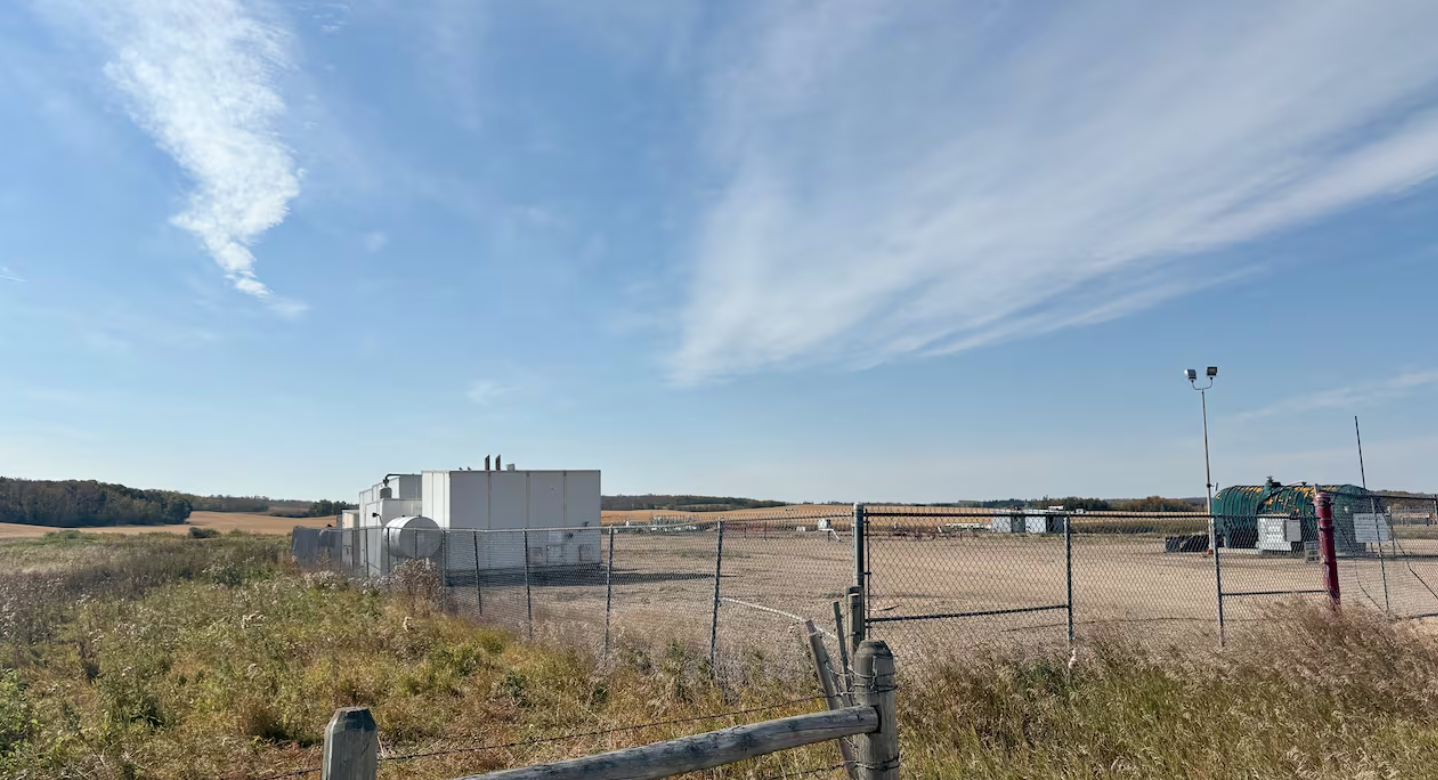
Photo Courtesy: CBC News
CANADA – Alberta is betting big on artificial intelligence.
Across the province, plans for massive data centres are multiplying, attracted by Alberta’s available land, natural gas and electricity supply. The provincial government has also been actively courting technology companies as it looks to position Alberta as a major destination for AI infrastructure.
But there is another side to the story.
Many Albertans are not convinced the data-centre boom is worth it.
A new CBC News poll conducted by Trend Research under the direction of Janet Brown Opinion Research found that only 7 percent of Albertans strongly support the development of AI data centres, while 31 percent strongly oppose them. Another 26 percent mostly oppose the projects but believe some should still be built.
The survey of 1,200 Albertans, conducted from September 8 to 21, has a margin of error of plus or minus 2.8 percentage points, 19 times out of 20.
The concerns are not limited to one part of the province or one political group.
Residents are worried about electricity costs, environmental impacts, noise, water use and the loss of agricultural land. Some are also questioning the broader impact of artificial intelligence on society.
For farmers and rural residents living near proposed projects, the issue can feel particularly personal.
Rita Reich, a farmer in Ponoka County, has organized neighbours against a proposed data centre near her property. She told CBC that she is concerned about noise, environmental effects and the possibility of losing agricultural land.
Similar opposition has emerged around Meta’s massive data-centre project in Sturgeon County, a proposed one-gigawatt facility that is expected to cover nearly 270,000 square metres. Meta has described the project as a major investment in Alberta, with the company previously saying it could create thousands of construction jobs.
For some residents, however, the arrival of a technology giant has raised questions about what their communities may look like once these facilities are operating.
Sturgeon County Mayor Alanna Hnatiw has acknowledged the intensity of the backlash while continuing to support the Meta project, pointing to potential tax revenue that could help municipalities pay for roads, water systems and emergency services.
That tension captures Alberta’s larger dilemma.
The province sees data centres as an opportunity to attract investment, develop its technology sector and take advantage of its energy resources. Critics, meanwhile, want clearer answers about who pays for the infrastructure, who benefits from the investment and how much pressure the projects could put on electricity and other resources.
The issue is becoming harder to ignore as the scale of proposed development grows. CBC reports that more than 100 data-centre projects have been proposed in Alberta, potentially making the province home to the vast majority of Canada’s data centres if they all proceed.
The provincial government says it is listening. Feedback from community town halls is expected to help shape province-wide standards governing data centres.
But public skepticism presents a challenge for Alberta’s push into the AI economy.
For years, the province has promoted its energy resources as an economic advantage. Now, that same energy system is becoming central to a new question: how much electricity should be directed toward powering the artificial intelligence revolution?
Alberta may be building the infrastructure for an AI future.
The question emerging from its communities is whether that future can be built without asking residents to carry too much of the cost.
