

December 24, 2025 | 2:41pm
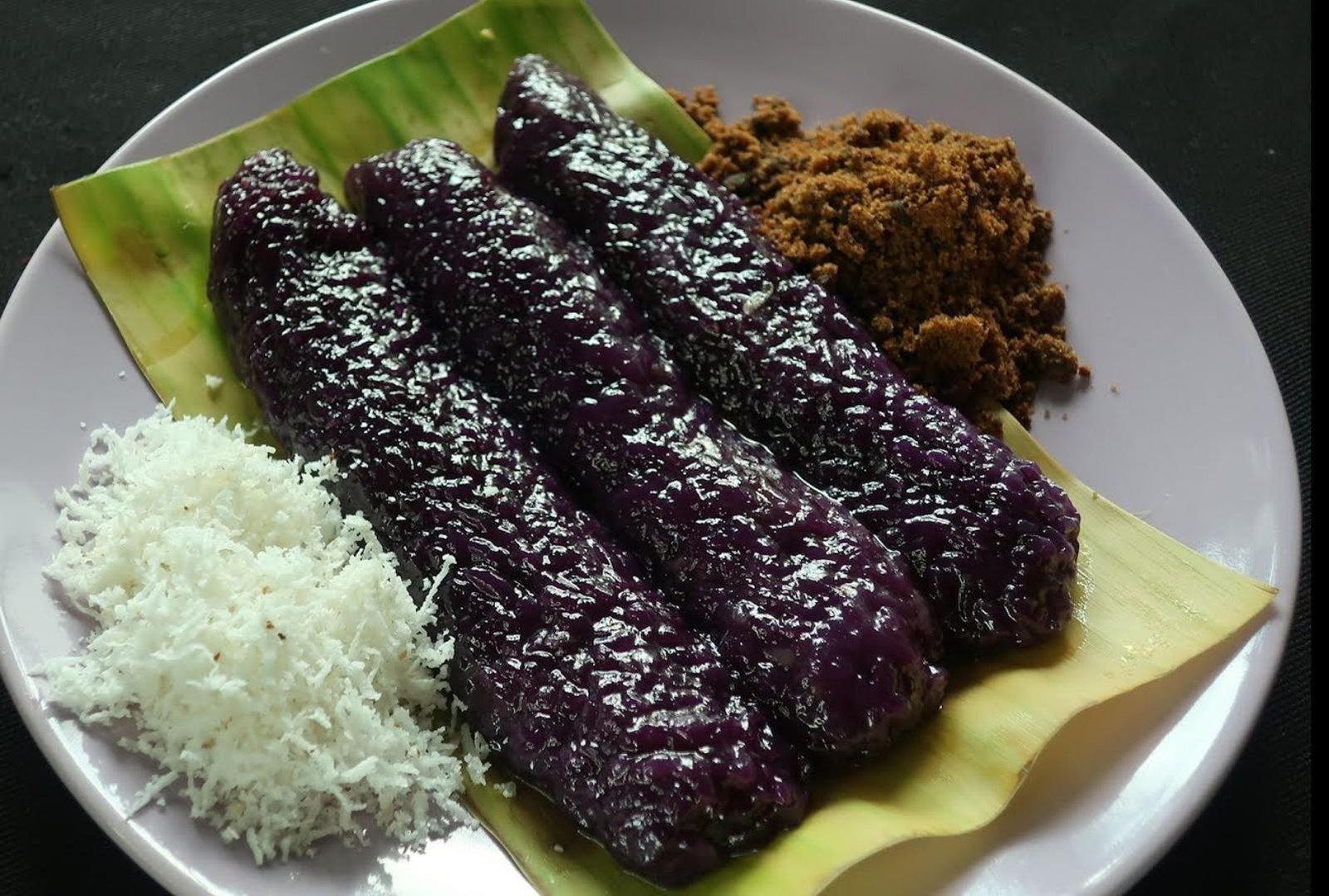
MANILA, Philippines — Equally popular as Bibingkang Galapong as a Christmas kakanin treat is Puto Bumbong, no doubt about it.
The purple tubular kakanin is enjoyed during Christmastime and is most rarely available at other times of the year.
Its name reveals how the rice cake is cooked — in a bumbong (bamboo tube) — and steamed in a vertical position using native Pirurutong rice (a type of purple glutinous rice), then served in threes or fours, wrapped in banana leaves, with butter, freshly grated coconut and muscovado sugar.
As with Bibingka, Puto Bumbong’s origin cannot be pinned down on just one place. But it traces back to the early part of the Spanish colonial era in the Philippines.
Related: A Bibingka story, and other Christmas chapters
It is said to be either an Indian dish called puttu (a steamed cylindrical rice cake made of ground rice), a Spanish colonial period tradition of being a post-mass breakfast that was introduced to the Philippines through maritime trade and brought by the group of Miguel Lopez de Legaspi from Mexico, or a Southeast Asian food because similar dishes like putu bambu can be found in Malaysia and Indonesia.
Whatever its real origin is, Puto Bumbong has always been associated with the Christmas season, and it will continue to be so for many more years, even decades, to come.
It is eaten after the dawn masses that takes place from December 16 to 24, and its purple color has been linked to the liturgical color of the Advent season.
In tandem with Bibingka, it will always be a kakanin treat for Filipinos to enjoy every Christmas.
RELATED: How to keep your Bibingka simple and classic
