

November 3, 2025 | 12:00am
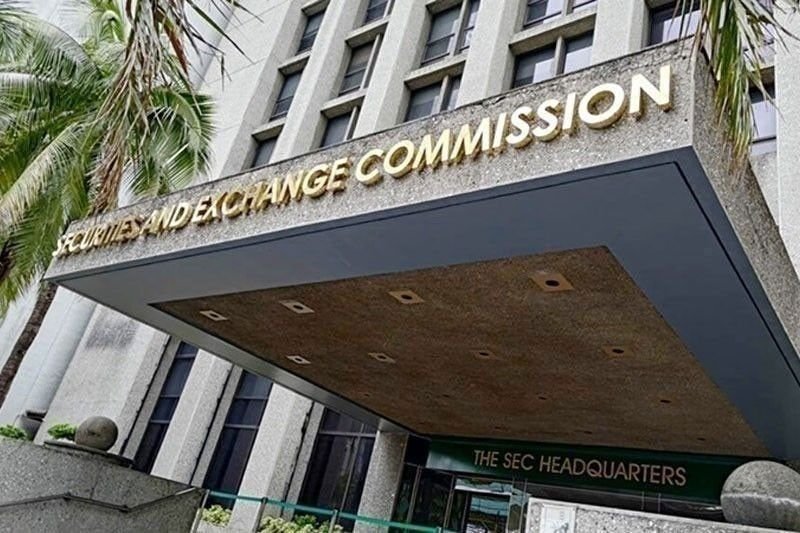
MANILA, Philippines — The Securities and Exchange Commission (SEC) wants to exempt micro, small and medium enterprises (MSMEs) from the mandatory submission of audited financial statements in a bid to further reduce their compliance costs.
The SEC has submitted a policy paper to the Department of Finance (DOF), recommending that corporations with total assets or liabilities not exceeding P3 million be required to submit annual financial statements certified under oath by their treasurer or chief financial officer in lieu of audited financial statements.
“Our proposed policy will not only improve the ease of doing business, but will also cut unnecessary compliance requirements for micro entities, in support of the government’s goal of driving inclusive economic development,” SEC chairperson Francis Lim said.
The SEC currently requires corporations with total assets or liabilities of at least P600,000 to submit annual financial statements audited by an independent certified public accountant, pursuant to Section 177 of the Revised Corporation Code of the Philippines (RCC).
Corporations with total assets and liabilities below the threshold need only submit financial statements certified under oath by their treasurer or chief financial officer.
Subject to final approval of the DOF, the SEC’s proposed policy will apply to financial statements covering fiscal years ending on or after Dec. 31, 2025.
Section 74 of the RCC recognizes the authority of the DOF to determine the threshold for the application of the requirement for corporations to submit audited financial statements.
The SEC said that the higher threshold, if implemented, is expected to ease the regulatory and financial burden of micro enterprises, particularly those with total assets or total liabilities not exceeding P3 million, by exempting them from mandatory audits.
Aside from relieving the financial pressure on MSMEs, the proposed policy is also seen reducing incidents of rubber-stamp audits, cut barriers to registration, simplify compliance obligations and allow the SEC to reallocate its supervision efforts toward high-risk entities.
“We have repeatedly said that MSMEs are the backbone of the Philippine economy, which is why the SEC remains committed to implementing measures that will foster a business environment that is easier to navigate for our budding entrepreneurs,” Lim said.
The SEC, however, assured that despite the removal of the audit requirement, it will maintain regulatory oversight over the covered corporations through its visitorial powers under the RCC, which grants the commission the power to require audits if warranted by public interest, among others.
“We assure the public that the proposal will not dilute oversight over corporations, including entities engaged in public infrastructure projects or other regulated sectors, as they generally exceed the P3 million threshold,” Lim said.
